the goal of ap automation is to have as
many invoices get processed with as
little human intervention as possible in
do app we call this true automation
true automation is
capturing invoice data automatically
machine learning coding and workflows
purchase order or recurring invoices are
matched by comparing the invoice to the
existing record and requires no separate
approval step
to sum it up true automation is
automating every step of the process
from coding to routing and to matching
like with all automation it goes hand in
hand with reporting and analytics do
apps process automation reports allow
you to dig into the core details of how
well your automation is performing and
allows you to analyze any bottlenecks
which can improve your true automation
rate
your true automation rate is the measure
for the return of your investment in ap
automation the more manual steps you
have and the more time you spend keying
in manually coding comparing and
cross-checking the more you are wasting
time on unproductive work
if you currently have a fully manual
process then every percent raise in your
automation level is a direct payback
from the investment
on average when including all the time
wasted to manually process invoices the
cost per invoice is over nine dollars
with automation you save eight to twenty
dollars per every single invoice
compared to manual processing and that's
why investing to ap automation has a
guaranteed payback through the increase
of efficiency control and accuracy
we know time is precious and with
automation your time becomes freed up to
be spent on more critical projects
rather than approving invoices
easy ways to increase your true
automation rate is to see which vendors
products invoice types or approvers
cause the most manual work in the
process
analyzing the exceptions and studying
the invoices with the longest approval
times can reveal those invoices that
cause most of the work
instead of lifting one invoice from
start to finish at a time you want to
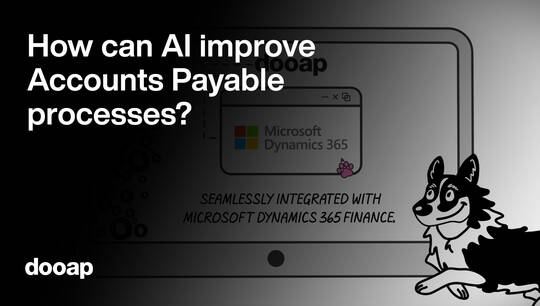
become like the do app dog hurting all
your invoice flows as automatically as
possible
it is easier to handle a few exceptions
when 99 of invoices follow the same path